
ADULA | THEMED CAFE
Colors, materials, and finishes (CMF) + Brand Identity
A collaboration between UCI & NIH to attract niche demographics to participate in their All of Us research program. By ensuring that everyone is included, NIH accelerates research, contributing to precision and accurate medicine development.
Skills: Inclusive Design · Environmental Storytelling · Research-Based Design · Brand Identity · Health & Wellness Strategy · Community Advocacy · Public Space UX · Data Visualization · Collaborative Partnership Building · Adobe Creative Suite


Ovarian Cancer
Breast cancer remains the most researched cancer for women due to its high prevalence and strong advocacy efforts. Ovarian cancer, however, is less common but much deadlier
WHAT
A type of cancer that’s formed from abnormal cell mutation in the ovaries, forming a tumor.
WHO
Women, typically middle aged or above (50+), greatest in those aged 75+ ~ 80+. A woman’s risk of getting ovarian cancer during her lifetime is about 1 in 87
Cause
The exact cause of Ovarian cancer is speculated, but so far there are no clear answers. It is suspected that gene mutations of BRCA1, and BRCA2 play a part
Female-specific illnesses, like ovarian cancer, remain understudied in certain underserved populations.
Research suggests that some groups may be at a heightened risk of diagnosis—not due to identity itself, but due to overlapping behavioral patterns and systemic gaps in healthcare access.
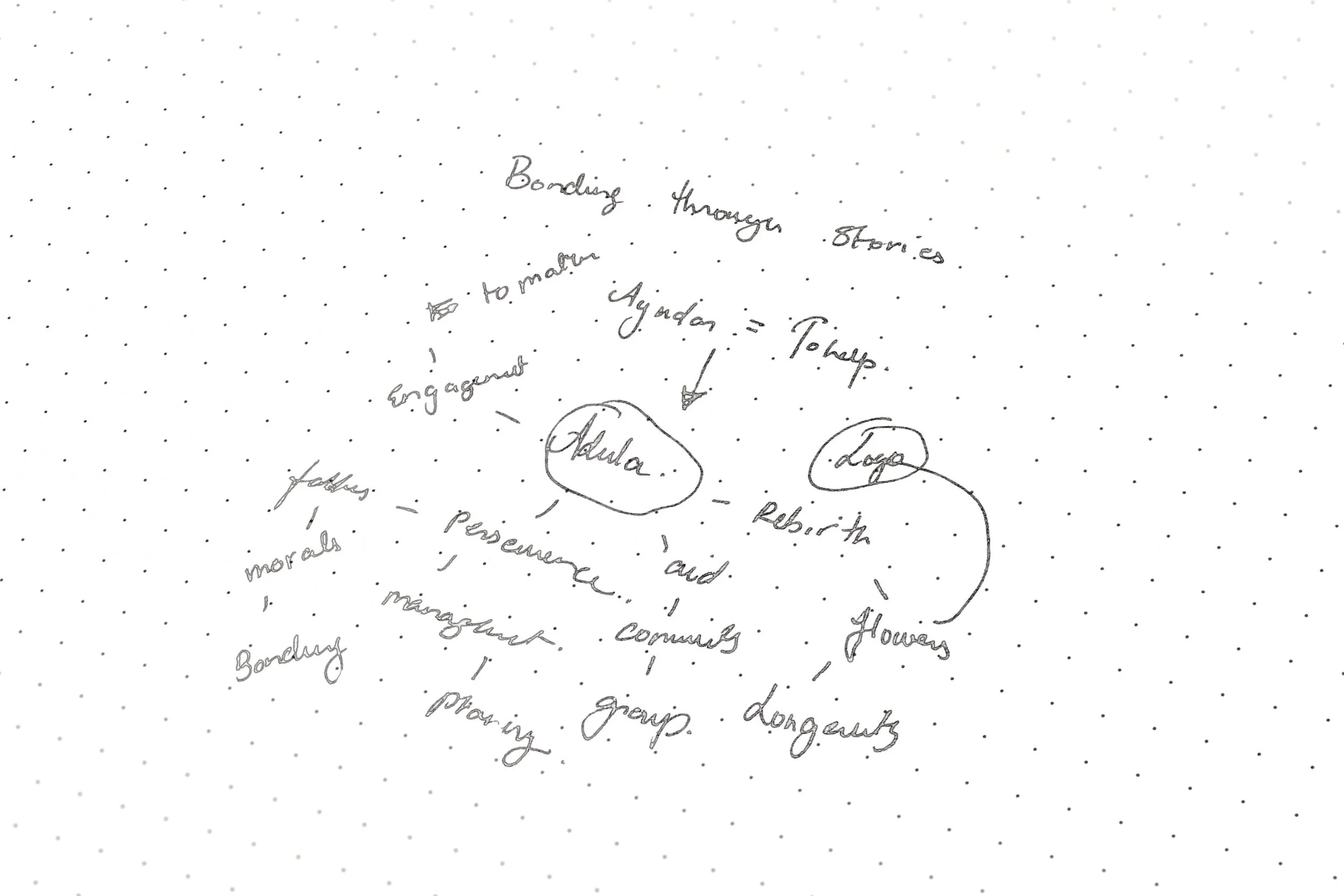
Risk factors
-
NO USE OF HORMONAL BIRTH CONTROL
Hormonal contraceptives, like the birth control pill, reduce ovarian cancer risk by inhibiting ovulation. Some populations are statistically less likely to use hormonal birth control, which may slightly increase their risk compared to those who use it regularly.
-
LIFESTYLE FACTORS
Certain lifestyle factors—such as smoking, obesity, and alcohol consumption—have been linked to increased cancer risk. Research indicates that these behaviors may be more prevalent in some underserved communities, contributing to elevated risk levels.
-
BARRIERS TO HEALTHCARE
Underserved populations may experience discrimination or discomfort in healthcare settings, leading to lower rates of routine screenings and preventive care. This can result in delayed diagnoses, particularly for conditions like ovarian cancer that benefit from early detection.
-
MENTAL HEALTH
Individuals experiencing depression may face an elevated cancer risk, ranging from 10% to 39%, depending on the type. Additionally, those navigating identity-related stress or lack of social support may experience higher rates of mental health challenges, including suicidal ideation.
-
SMOKING
Smoking is a significant risk factor for many cancers. Some groups have been found to have higher smoking rates, which can increase the likelihood of developing reproductive cancers.
-
PRIOR CANCER DIAGNOSIS
Individuals with a history of breast cancer and chemotherapy use may face an increased risk of ovarian cancer, particularly within populations with limited access to consistent preventative care.

Overview - Adula
Colors, Materials, And Finishes (CMF)
Inspired Wellness Café for Community & Health
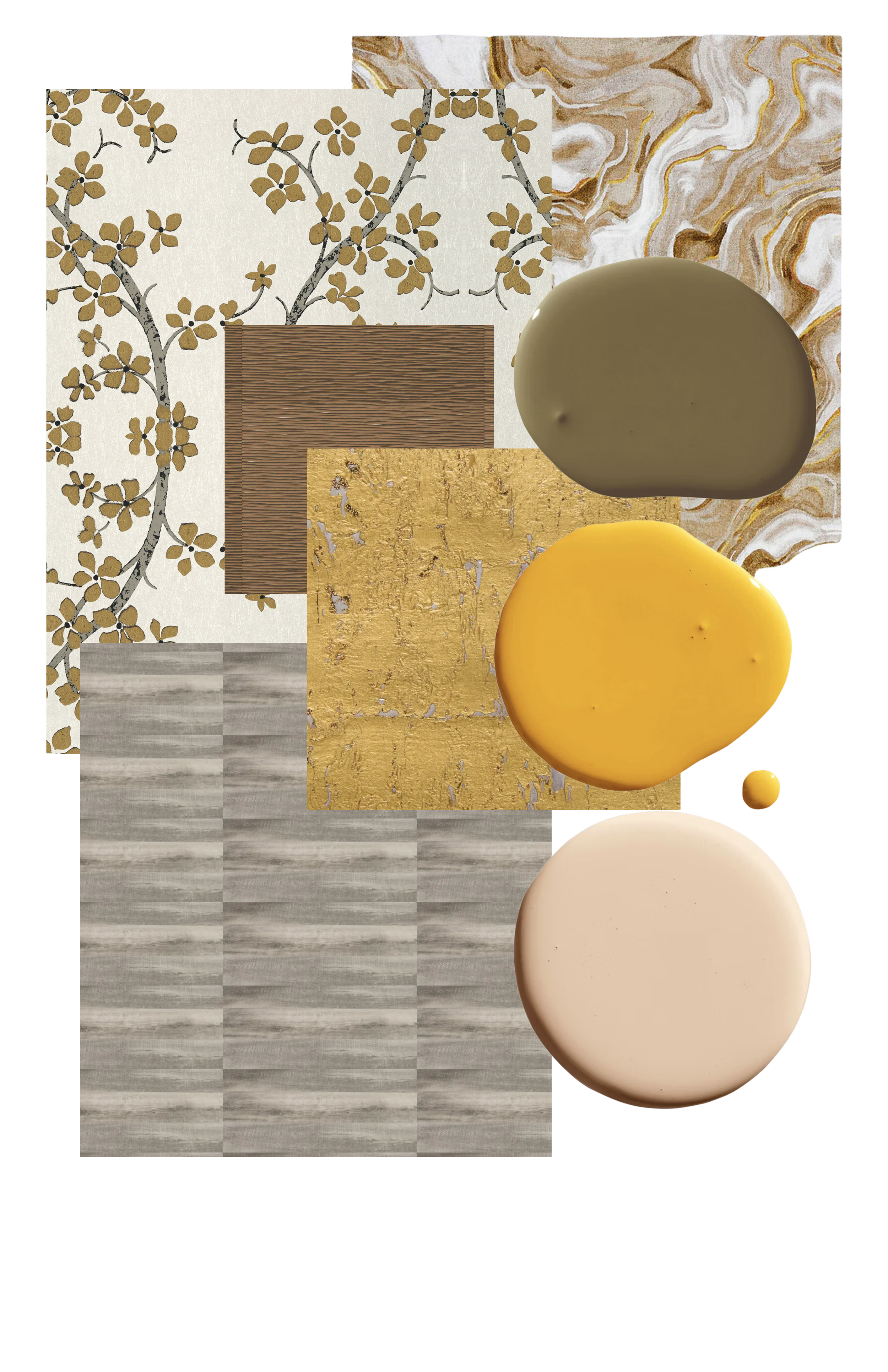
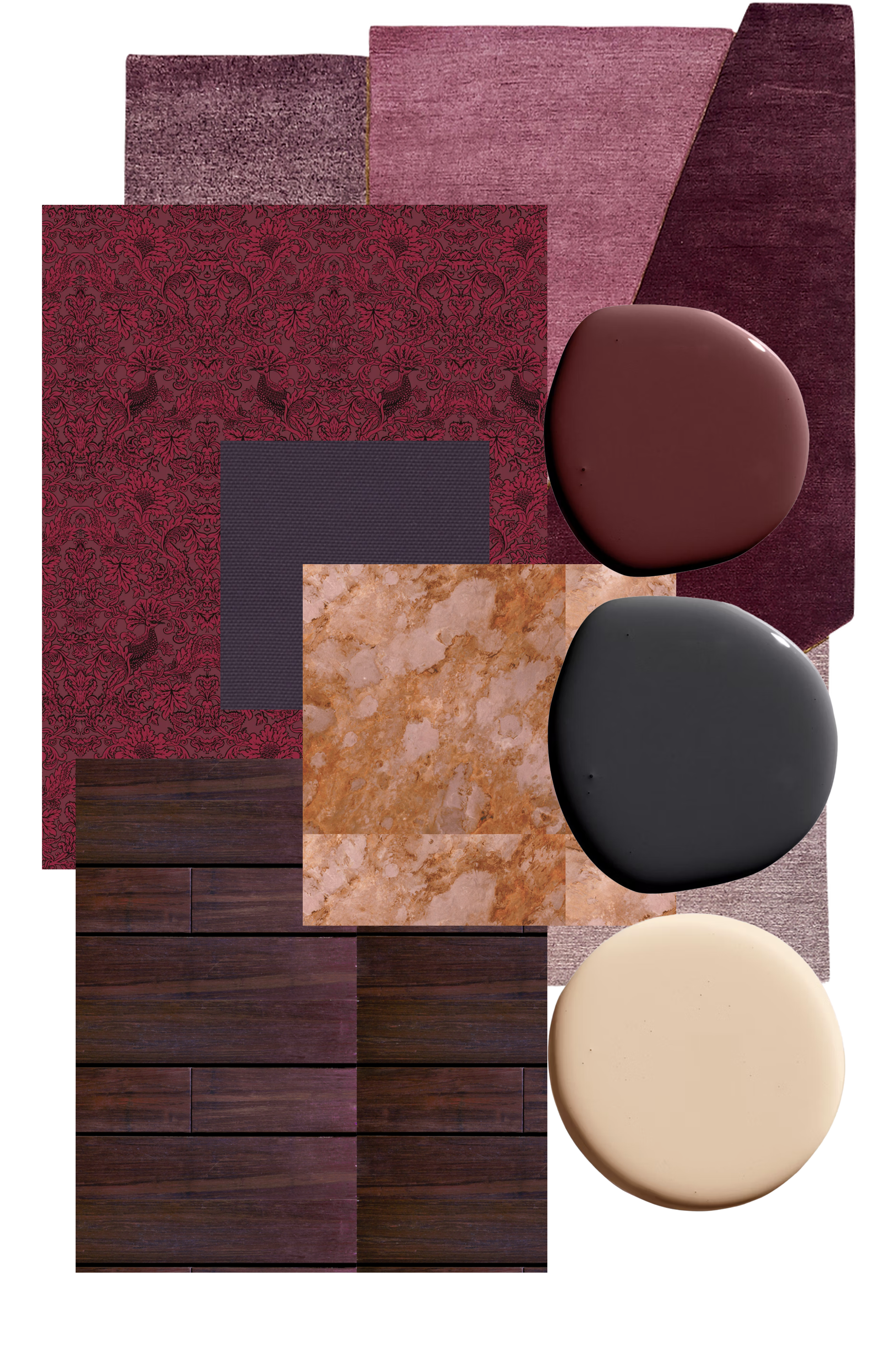
Adula is a unique wellness café designed to support underserved and underrepresented communities by addressing both physical and mental health needs. Inspired by culturally significant narratives, the café provides a safe, welcoming space where people can gather, reflect, and engage in mindful practices.
Through thoughtful color, material, and finish (CMF) design, each room or section embodies themes from beloved works like Carmilla and Gentleman Jack, creating an environment rooted in identity, storytelling, and belonging.
Beyond aesthetics, Adula offers a holistic approach to well-being by addressing higher rates of depression and smoking observed in certain communities—both of which are linked to increased ovarian cancer risk.
The café promotes health through journaling, mood-based activities, and smoking cessation support, including nicotine patches for purchase. By partnering with organizations such as Adobe, Adula also serves as a bridge connecting visitors to the NIH’s All of Us research program, contributing to broader participation in healthcare research.
Colors, Materials, & finishes (CMF).
Colors, Materials, & finishes (CMF).
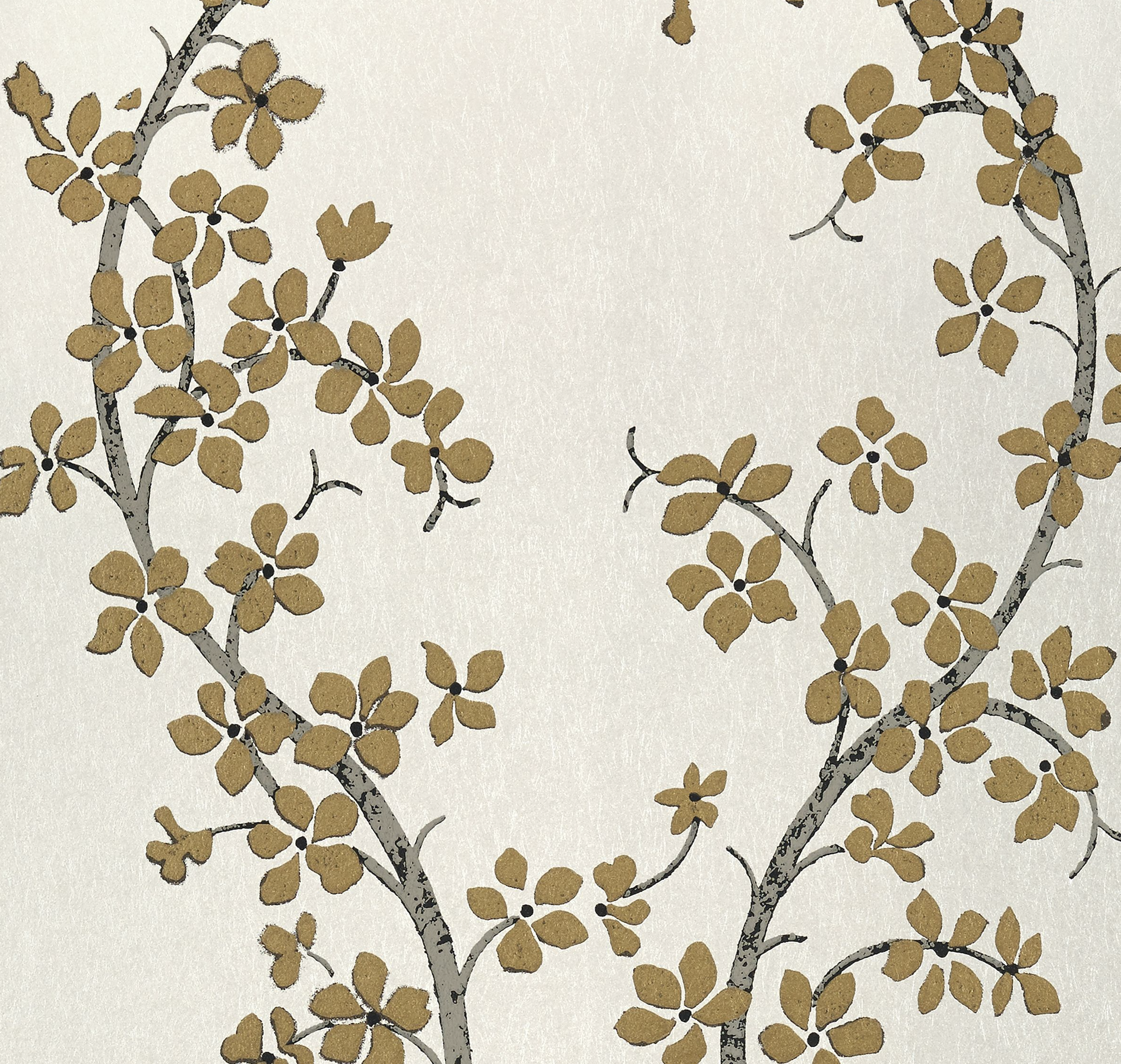
Gentleman Jack


Carmilla




Collaboration with Large Organizations
By partnering with large corporations like Adobe, the café will not only amplify awareness of these issues but also make a tangible impact. Adobe’s involvement, for instance, could come in the form of sponsoring digital workshops, creative journaling prompts, or even competitions that encourage storytelling among underrepresented voices, creating a sense of community and advocacy.

Psychological and Physical Health


This café goes beyond being just a themed space. It is a wellness environment that addresses both mental health needs (including higher rates of depression and smoking in certain populations) and associated physical health risks, such as ovarian cancer.
Journaling Spaces: Dedicated journaling stations where visitors can relax, reflect, and improve their mental well-being. The journals sold or given away could tie into themes of empowerment and community healing, with prompts for mindfulness or mood-tracking.
Nicotine Patch Sales: In line with addressing smoking rates and its relation to ovarian cancer, the café could offer nicotine patches, helping to encourage smoking cessation in a comfortable, non-judgmental setting.

Community Engagement

BRAND IDENTITY







The café serves as a hybrid space—welcoming all, while intentionally creating a safe and supportive environment for underrepresented communities to gather, connect, and engage. The experience is designed to be both intimate and expansive, with digital components that encourage engagement with the NIH All of Us program, creating a seamless link between personal health and collective scientific advancement.


OVERALL ASSESSMENT
Developed a CMF and brand identity system rooted in inclusive wellness. Integrated health data and behavioral risk factors into the spatial narrative. Synthesized environmental and cultural cues to support underserved users. Collaborated with large-scale organizations (NIH, UCI, Adobe) to enhance outreach.
Framed public health as a spatial experience through narrative and visual design. Mapped user behavior patterns (e.g., smoking, journaling) to physical interactions. Elevated underrepresented health concerns through CMF storytelling. Bridged healthcare, research, and design through community-driven engagement. Addressed health inequities using thematic design interventions. Designed hybrid physical-digital touchpoints.
